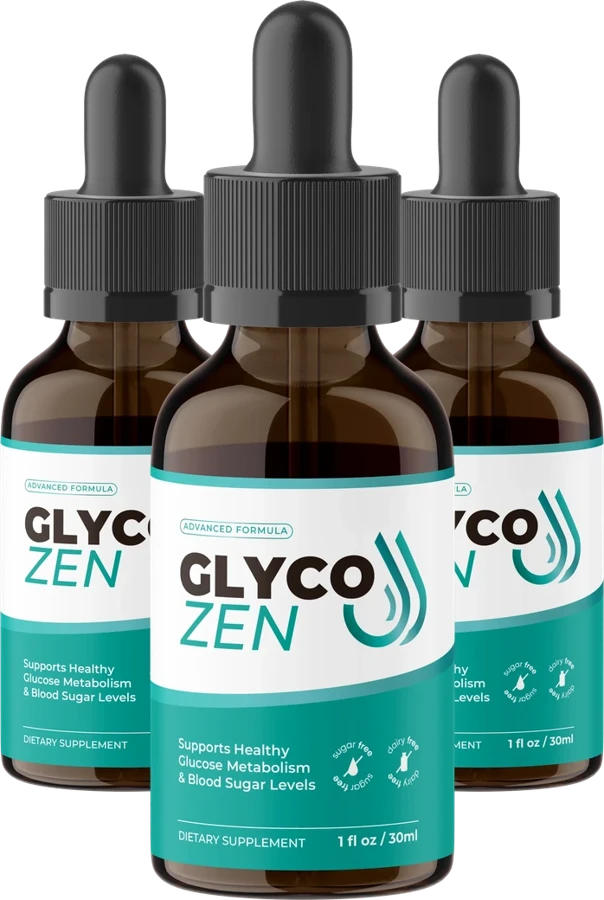
GlycoZen Ingredients, Doses And Cautions
Four ingredients are named. None have a published amount. Here is what each is, what the NIH says, and what to watch for.
1. Gymnema Sylvestre
Herb · Ayurvedic tradition
A woody vine used in traditional Indian medicine. Small studies in people with diabetes have reported lower blood glucose, but they were limited. It can add to the effect of glucose-lowering medicine and cause low blood sugar, and rare liver problems have been reported. Stomach upset is possible.
Amount per serving: not published.
2. Berberine
Plant alkaloid
Found in barberry, goldenseal and Oregon grape. The NIH’s NCCIH says there is only weak evidence that berberine might help with blood sugar control. Common side effects are nausea, diarrhea, bloating and constipation. It can interact with metformin and with medicines processed by liver enzymes, and it is not for pregnancy, nursing or young children.
Amount per serving: not published.
3. Ceylon Cinnamon
Spice · Cinnamomum verum
True cinnamon, which contains much less coumarin than the common cassia type. Trial results on blood sugar are conflicting, and a 2012 Cochrane review found insufficient evidence for diabetes. Large amounts of coumarin-rich cinnamon may harm the liver.
Amount per serving: not published.
4. Chromium
Essential trace mineral
The body needs tiny amounts. The NCCIH says there is weak evidence of possible benefit for blood sugar control and no clear data that chromium prevents diabetes. It may cause stomach pain, headaches, insomnia, mood changes or bloating, and people with kidney or liver disease should ask a doctor.
Amount per serving: not published.
⚠️ If you take diabetes medicine, talk to your doctor first
All four named ingredients are discussed in connection with blood sugar. With insulin, metformin, sulfonylureas or other glucose-lowering medicine they may add up and cause low blood sugar.
- Never stop, skip or lower a prescribed medicine because of a supplement.
- Tell your doctor and pharmacist, and show them the label.
- Know the signs of low blood sugar: shakiness, sweating, hunger, dizziness, confusion.
- Ask first if you have kidney or liver disease, are pregnant or nursing, or plan surgery.
Why we do not cite the seller’s study list
The seller’s page lists about 25 study titles, including alpha-lipoic acid, magnesium, bitter melon, vinegar, green tea, resveratrol and curcumin. Those are not named as ingredients in this product, so the studies say nothing about it. Studies on the four named ingredients are mostly small or short.
The evidence in one line
The NIH’s NCCIH says there is not enough evidence that any dietary supplement can manage or prevent type 2 diabetes, with weak evidence of possible benefit for chromium, cinnamon and berberine.